From the art of healing to the healing power of art.
“Tell me, what is it you plan to do with your one wild and precious life?”
-Mary Oliver
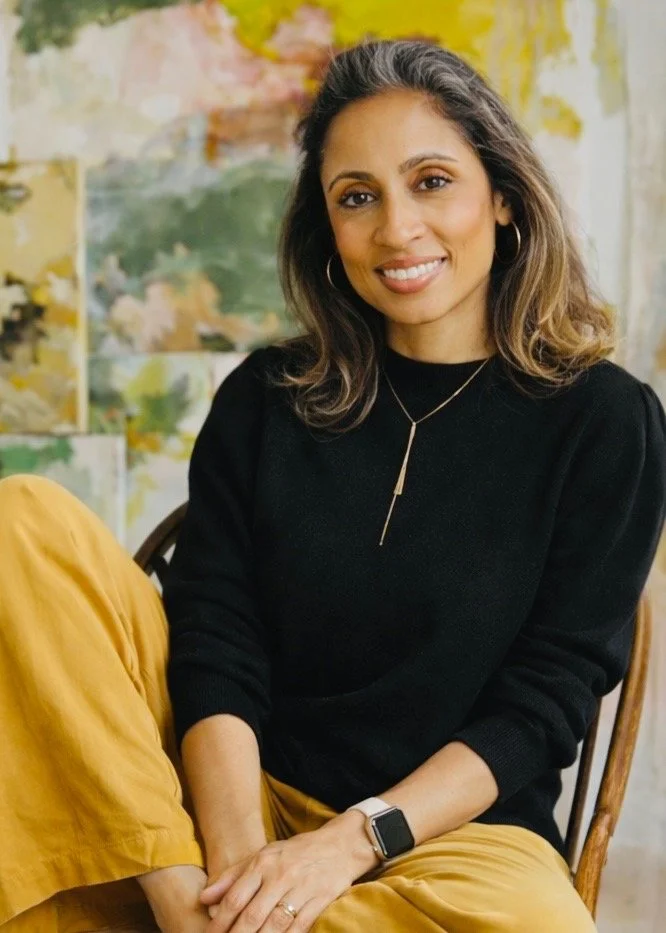
About Elizabeth
-
Artist, Nurse, & Educator
b. 1980, Chicago, IllinoisI create symbolic ink and watercolor portraiture that explores the inner emotional landscapes women move through as they grow, adapt, and redefine themselves over time. My work is inspired by subtle rhythms drawn from the natural world and shaped by an ongoing interest in how identity is experienced rather than simply observed. Through softness of form, atmospheric color, and layered transparency, I aim to create visual environments that invite reflection, grounding, and a deeper sense of personal recognition.
My background in nursing and education continues to shape both how I approach the human figure and how I understand emotional experience. Nursing brought me into close contact with the unspoken realities of vulnerability, endurance, and adaptation. Education fostered an awareness of how perception shifts and how meaningful change often unfolds gradually. Together, these experiences inform my intention to create art that resonates on a felt level — work that acknowledges complexity while allowing space for openness and possibility.
Living with disabilities has further deepened this perspective. It has reinforced my understanding that identity extends beyond physical form and that a portrait can hold psychological atmosphere as much as likeness. I approach each figure as someone shaped by both inner and outer landscapes, carrying memory, tension, sensitivity, and the continual process of becoming.
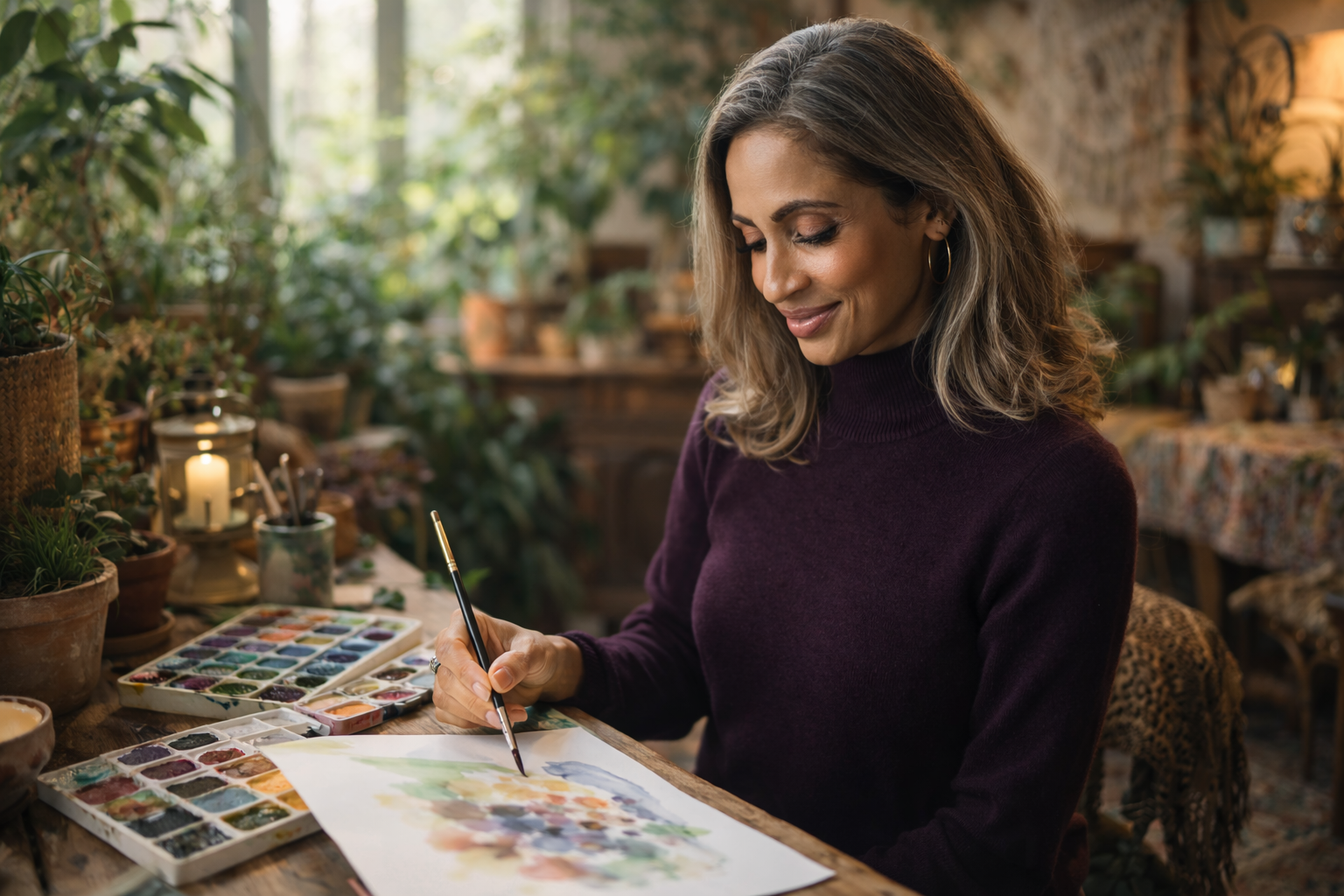
Watercolor is central to this exploration. Its transparency and unpredictability mirror lived experience — layered, responsive, and evolving over time. I allow softened edges, tonal shifts, and traces of earlier decisions to remain visible, creating surfaces that feel inhabited rather than resolved. In this way, the paintings become spaces viewers can enter slowly, discovering emotional nuance through atmosphere rather than narrative description.
My work unfolds across interconnected bodies of imagery. The Petal Sisters reflect intuitive beginnings — a symbolic realm of imagination, openness, and early self-awareness. Women Reimagined explores historical figures as emotional mirrors for contemporary experiences of perception, identity, and transformation. Soleia extends this visual language into lived environments, offering atmospheric art designed to support calm, restoration, and meaningful presence in everyday life.
Influenced by traditions of figurative painting, contemporary portraiture, and human-centered storytelling, I seek to balance structure with fluidity and presence with ambiguity. Ultimately, my intention is to create contemplative visual experiences that feel less like objects and more like places — environments where viewers can pause, breathe, and reconnect with their own unfolding inner landscapes.
My Influences (Invisible Board of Directors)
Lorraine Simonds — contemporary watercolor painter
Structural restraint and confidence in leaving areas unresolved.Polina Bright — contemporary figurative painter
Expressive abstraction within representational form.Charles Reid — master watercolorist
Value-based structure and disciplined simplification.John Singer Sargent — portrait painter
Decisive mark-making and psychological presence.Claude Monet — Impressionist painter
Use of color, atmosphere, and edge as structural tools.Gordon Parks — documentary photographer
Human-centered framing and dignity in representation.Amy Sherald — contemporary figurative painter
Selective realism and clarity of intent.Sarah Mapps Douglass — educator, artist, and activist
Integration of art, learning, and purpose.Edmonia Lewis — neoclassical sculptor
Integrity and persistence in figurative representation.Vivian Maier — street photographer
Attention to unguarded, transitional moments.Clementine Hunter — self-taught folk artist
Directness, authenticity, and trust in personal vision.
Ultimately, my work is about revealing what is often overlooked. Through structure, material, and observation, I aim to make visible the human experience - its weight, complexity, and presence.